
Ecommerce SEO Services
Category and product pages that search engines can crawl, understand and show to shoppers who are ready to buy what you sell.
What's included
- A crawl of your whole catalog to find duplicate, thin, orphaned and blocked product URLs
- Category page rewrites: unique intro copy, clear headings and buyer-focused title tags
- Product page optimization for titles, descriptions, image alt text and internal links
- Product schema with price, availability, brand and identifiers, checked for errors
- A cleaner site structure so every product sits within a few clicks of the home page
- Rules for filters, sort orders and out-of-stock items so they stop wasting crawl attention
- Speed fixes for heavy product images, scripts and slow templates
- Product listing research to see how competing items are titled and described in Google Shopping
- A prioritized fix list your developer or platform admin can follow
Who it's for
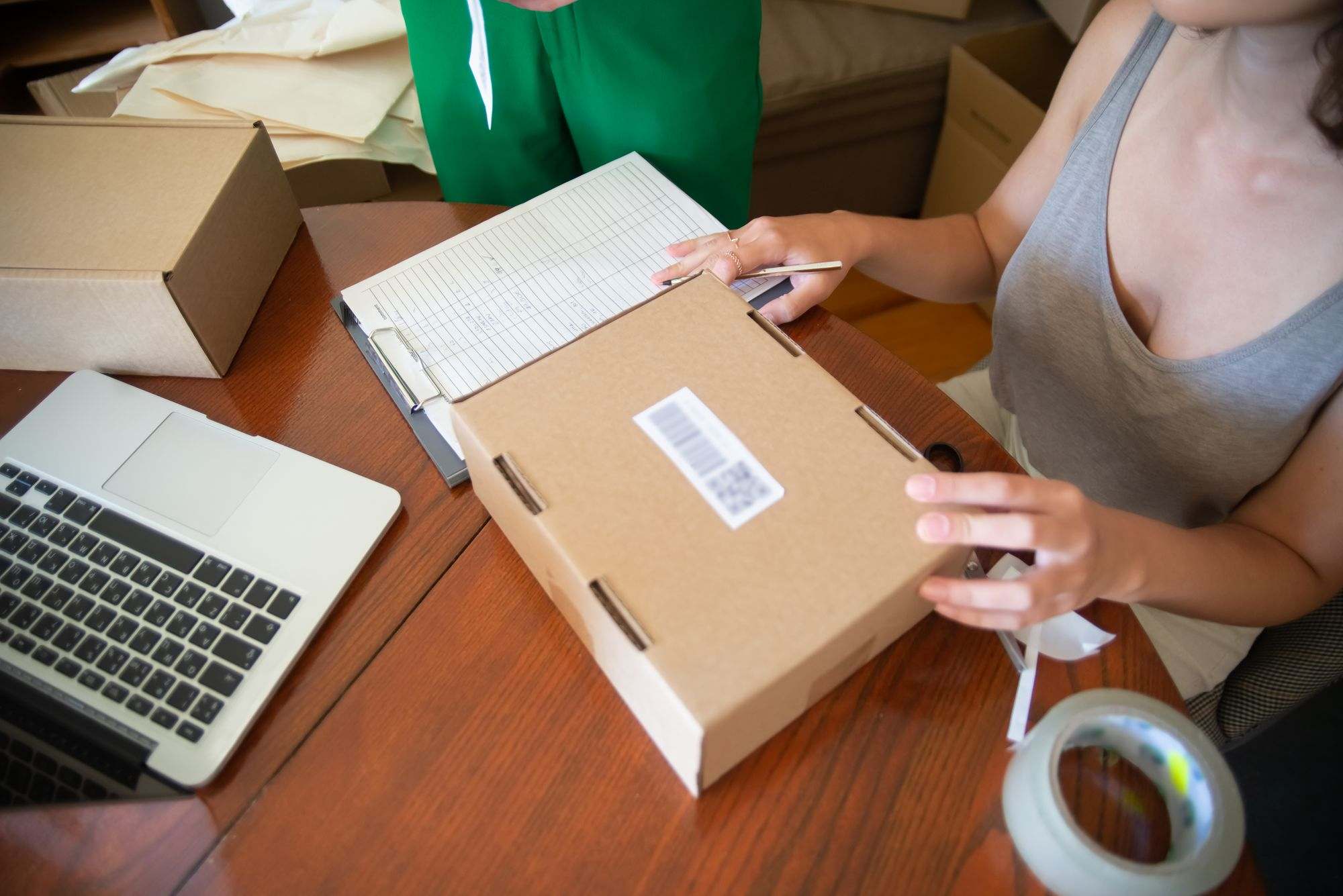
Our ecommerce SEO services are for online stores that sell their own products or resell other brands and want more of their sales to come from organic search instead of paid channels. It fits small shops with a few dozen products and growing stores with thousands of SKUs.
Most of the stores we look at have the same handful of problems:
- Category pages with nothing on them but a product grid. These pages usually target your most valuable searches, yet they give search engines almost no text to work with.
- Duplicate URLs. Filters, sort orders, tracking parameters and variant links can turn one product into many near-identical pages.
- Manufacturer descriptions copied word for word across every store that sells the same item.
- Missing or broken product schema, so search engines can't reliably read price, stock status or brand.
- Slow pages weighed down by oversized images, review widgets and marketing scripts.
- Deep products buried five or six clicks from the home page, which crawlers visit rarely.
If you run a local business with a small shop attached, our local SEO services may be a better starting point. If your store is on Shopify, the Shopify SEO page covers platform-specific work in more detail.
How we do it
Ecommerce SEO is mostly about structure and scale. A single template change can improve thousands of product pages, so we start with the parts of the store that repeat.
- 1
1. Crawl and map the catalog
We crawl every category, product and filter URL and compare what we find with your sitemap. That shows which pages search engines can reach, which ones compete with each other, and which ones are dead ends. We group URLs by template so fixes can be applied in batches.
- 2
2. Research how shoppers search
We look at the words buyers use at each stage, from broad category terms to specific product and model searches. We also run shopping ads research, strictly to study the market: it shows how competing products are titled, priced and presented in product listing results. We don't buy ads. We use that view of the market to decide which attributes (size, material, model number, use case) your product titles and category names should include.
Shopping ads research - 3
3. Fix category and product pages
Category pages get a short, useful introduction, clear headings, and title tags written for how people actually search. Product pages get unique titles, better descriptions for the items that matter most, descriptive image alt text, and links to related categories. We run on-page checks on key templates, which compare titles, headings, content and other page elements against the keyword each page targets, so we can spot gaps before and after changes.
On-page checks - 4
4. Add and validate product schema
We implement structured data for products and offers, including price, currency, availability, brand and identifiers such as GTIN or SKU where you have them. We use schema validation to check the markup across templates and catch errors or missing fields. We only mark up ratings and reviews when they come from real customers on your site.
Schema validation - 5
5. Clean up structure and crawl waste
We set canonical tags, decide which filter combinations deserve their own indexable page and which should stay out of the index, tidy pagination, and add breadcrumbs. Internal links are adjusted so important categories get more links from the navigation and from related products.
- 6
6. Speed up the store
We look for the usual culprits: uncompressed product photos, apps and scripts that load on every page, and templates that render too much before the first product appears. Where a fix needs a developer, we write it up with enough detail that they can act on it without guessing.
- 7
7. Recheck and hand over
After changes go live, we crawl the store again, rerun the page and schema checks, and confirm that redirects, canonicals and sitemaps behave the way we planned. Anything that didn't land correctly goes back on the list.
What you receive
Whichever ecommerce SEO agency you hire, you should be able to see exactly what was changed and why. That's how we report.
At the start you get a written audit of your store with every issue we found, sorted by how much it is likely to matter and how hard it is to fix. Alongside it comes a keyword map that assigns target searches to your key categories and products, so pages stop competing with each other.
As the work progresses, you receive:
- A change log listing each category, product and template we edited, with before and after titles
- Schema validation results for your main page templates
- A list of filter, variant and out-of-stock rules, written so your team can keep following them when new products are added
- Speed findings with specific fixes for your theme or platform
- A short summary at the end of the project with what was done, what is still open, and what we would tackle next
If you'd like ongoing work after the first round, we can scope that with you. There is no obligation to continue.
Pricing: custom quote after a free review
Online stores vary too much in size and platform for a fixed package, so ecommerce SEO is quoted after a free review of your catalog. The quote lists exactly which categories, products and technical fixes are in scope.
Frequently asked questions
Something else? Call (866) 571-4320.
What makes an ecommerce SEO company different from a general SEO provider?
Stores have problems most business websites never face: thousands of near-identical pages, filters that multiply URLs, products that sell out, and structured data that has to stay in sync with price and stock. An ecommerce SEO company should work at the template and catalog level, not page by page. That's how we approach it.
Which ecommerce platforms do you work with?
We work with Shopify, WooCommerce, BigCommerce and most other hosted or self-hosted store builders. The principles are the same everywhere, but each platform handles URLs, templates and schema differently, so our fix list is written for the one you actually use. Shopify stores can also look at our dedicated Shopify SEO services.
Do you manage Google Shopping or product ads?
No. We don't run Google Ads of any kind. We use shopping ads research only to study how competing products are titled and presented in product listings, and we apply what we learn to your organic product pages and data.
My product descriptions came from the manufacturer. Is that a problem?
It often is. When dozens of stores publish the same manufacturer text, search engines have little reason to pick your page over theirs. We identify the products and categories where original copy is most likely to matter and rewrite those first, instead of asking you to rewrite a whole catalog at once.
How many products can you optimize?
That depends on your catalog and the scope we agree after the free review. For large stores we usually improve templates and category pages first, because a fix to a template reaches every product that uses it, then we hand-optimize the products that sell best or have the most search demand.
What happens to SEO when a product goes out of stock?
Deleting the page throws away whatever links and rankings it earned. We set rules case by case: keep the page live with a clear stock message if it will return, point it to the closest alternative if it won't, and only remove pages that have no value left.
Can you work alongside my developer or agency?
Yes. Many store owners already have someone who handles the theme or platform. We supply the findings, the priorities and the exact changes needed, and we're happy to answer your developer's questions so the fixes go in correctly.
How long before I see more organic sales?
We can't give you a date or promise a sales figure. Results depend on your site, your products, how competitive your market is and how quickly fixes are put live. What we can promise is a clear plan, honest reporting and work you can see.
Get a free review of your online store
Tell us about your business in a short chat. We review your website and contact you within one business day, with no obligation.